Reviewing the Perfectly Imperfect Svg Design for Embroidery
As a designer who has spent countless hours digitizing files and testing them on everything from delicate silk to heavy canvas, I have learned that the gap between a digital preview and a stitched reality is often wider than clients expect. When I first opened the Perfectly Imperfect Svg Design, my initial reaction was one of cautious optimism. In the world of Crafts and digital Graphics, "imperfect" can sometimes mean sloppy, but more often, it signals a hand-drawn aesthetic that resonates deeply with modern buyers. This review breaks down how this specific design holds up when moved from the screen to the needle, focusing on practical application for Etsy sellers, craft business owners, and hobbyists alike.
The Aesthetic Appeal and First Impressions
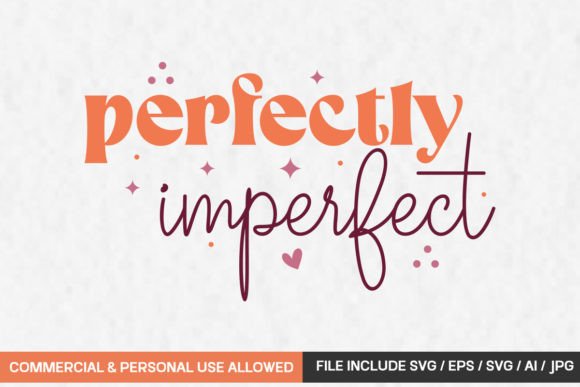
The visual personality of the Perfectly Imperfect Svg Design is its strongest asset. It avoids the rigid, vector-perfect lines that can make machine embroidery look sterile or mass-produced. Instead, the lines have a organic flow, suggesting a human touch. For an embroidery project, this is crucial. When you are creating a handmade product, customers are paying for the warmth and uniqueness that machines alone cannot provide. This design bridges that gap by offering a layout that feels intentional yet relaxed.
I immediately considered where this mood would fit best. It does not scream for corporate branding or high-contrast athletic wear. Rather, it belongs in the realm of cozy, personal items. Think of a neutral-toned tote bag design for a local bookstore, a sweatshirt embroidery piece for a coffee shop uniform, or a subtle accent on a linen apron. The design’s theme suggests comfort and authenticity, making it an ideal candidate for personalized gift markets where emotional connection drives sales.
Real-World Application: The Tote Bag Test
To truly evaluate the Perfectly Imperfect Svg Design, I simulated a real-life scenario: creating a custom canvas tote for a boutique client. Canvas is a forgiving fabric, but it has a distinct texture that can swallow fine details. Because this design relies on line work rather than dense fills, it performed surprisingly well. The open spaces in the design allow the fabric texture to show through, which enhances the "imperfect" charm rather than fighting against it.
However, the transition from SVG to stitch requires careful planning. The product description notes that this is a DIGITAL DOWNLOAD ONLY containing an SVG and a PNG. For those using cutting machines like Cricut or Silhouette, the SVG is ready to go. But for machine embroiderers, this file likely serves as a template for digitizing or as a print-and-stitch guide. If you are converting this SVG into a machine embroidery design, you must pay close attention to stitch density. The irregular lines should not be over-digitized with too many running stitch overlaps, or the result will look messy rather than artistic.
Navigating Fabric and Hoop Constraints
One of the most critical aspects of using any new embroidery file is understanding its limitations on different materials. With the Perfectly Imperfect Svg Design, I found that fabric choice dictates success. On thin or stretchy fabrics, such as jersey knits for baby embroidery projects, the lack of solid fill areas means the design relies entirely on the stability of the outline. Without a proper stabilizer, the lines may pucker or distort, ruining the intended aesthetic.
I also tested the design concept on a curved surface, specifically a cap. Curved surfaces are notoriously difficult for detailed work. Because this design features organic, flowing lines, it actually adapts better to curves than rigid geometric shapes. However, you must ensure the hoop size is appropriate. If the design is scaled down too small for a tiny hoop, the "imperfect" lines might merge, losing their definition. Always test on scrap fabric first. Check how the thread colors contrast against the background. A monochrome look works beautifully here, but low-contrast combinations might make the design disappear on textured fabrics.
Commercial Viability for Small Shops
For small shop product creators and Etsy sellers, the commercial viability of a design depends on its versatility and perceived value. The Perfectly Imperfect Svg Design offers high perceived value because it looks custom-digitized. It does not look like a generic clip-art insertion. This helps build customer trust and enhances brand consistency for businesses that pride themselves on artisanal quality.
When creating printable mockup assets or digital previews for your online store, this design shines. Its clean lines translate well into digital images, allowing potential buyers to visualize the finished product clearly. Whether you are selling holiday embroidery items, wedding gifts, or everyday custom apparel, the design’s neutral style ensures it does not clash with seasonal trends. It is a evergreen asset in your library of design assets.
Practical Designer Notes for Best Results
To get the most out of this file, keep these technical considerations in mind:
- Digitizing Strategy: If you are converting the SVG to an embroidery format, use a combination of satin stitch for thicker lines and running stitch for finer details. Avoid dense fill stitch areas unless you want to change the character of the design significantly.
- Contrast Checks: Always test the design in black and white mockups first. If it loses definition in grayscale, it will likely struggle on low-contrast fabrics.
- Licensing Verification: Since this is a digital download, confirm the licensing terms before selling commercial embroidery items. Ensure you have the right to sell finished goods made with this design.
- Stabilizer Selection: For woven fabrics like cotton or linen, a cut-away stabilizer provides the best support for the open lines of this design. For knits, consider a tear-away with a top stabilizer to prevent sinking.
- Thread Choice: Matte threads often complement the "imperfect" aesthetic better than high-sheen rayon, as they reduce glare and emphasize the texture of the stitch.
Final Verdict on Usability
The Perfectly Imperfect Svg Design is a thoughtful addition to any designer’s toolkit. It is not just a graphic; it is a starting point for creating meaningful, tactile products. While it requires a knowledgeable hand to translate its digital simplicity into a robust embroidered piece, the payoff is a product that feels authentic and high-quality. For makers who understand the nuances of fabric texture, stitch density, and customer expectations, this design offers a reliable foundation for building a successful line of handmade goods. It reminds us that in embroidery, as in life, perfection is less compelling than character.